Yuasa: Lunch and a Walk Where Soy Sauce Began
Overview
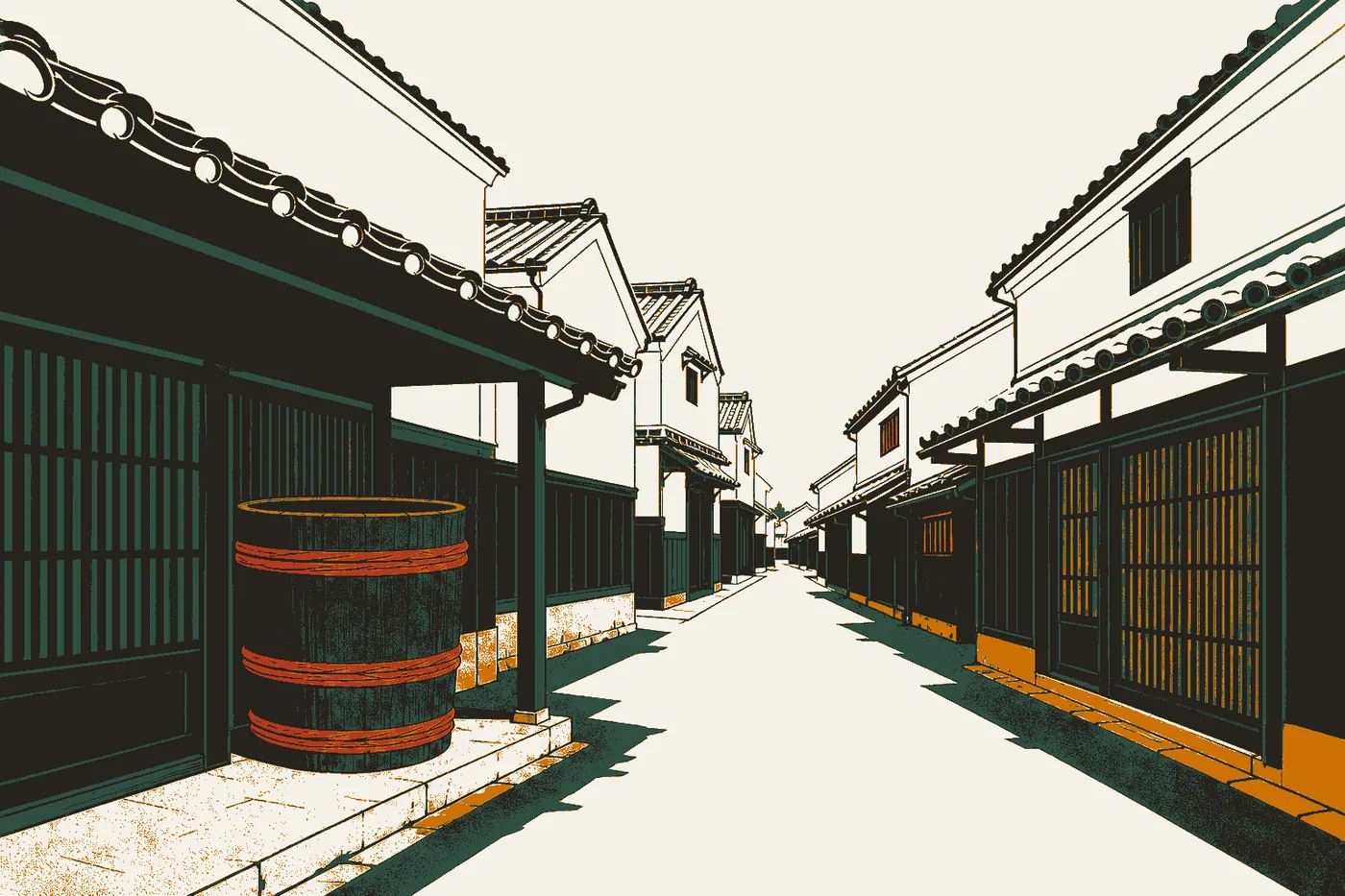
Japanese soy sauce began here. In 1254 the monk Kakushin came back from Song China with the method for kinzanji miso, and Yuasa's brewers noticed a fragrant red-brown liquid pooling in the barrels; refining it gave the country its soy sauce. Under the Kishu domain close to a hundred breweries once stood here. The quarter they built — white-plastered storehouses, lattice fronts and mushiko windows, some 400 metres by 280 — is Wakayama's only Preservation District for Groups of Traditional Buildings, selected in 2006, and the story behind it became Japan Heritage in 2017.
It is a good place to arrive hungry. Kitamachi Chaya Ippuku, an old house turned kissaten, serves rice bowls, udon and its own curry alongside matcha zenzai and, in summer, shaved ice — and it lets you bring in fish from Kusuyama Sengyoten next door, the fishmonger still known as Marushichi, whose grilled mackerel from Yuasa Bay is gone by midday. Ota Kyusuke Ginsei has hung the same noren since 1851; it began as a soy sauce brewer and now makes only kinzanji miso, worked by hand and fermented slowly for two or three months. Senzan-an, a machiya of more than 150 years on Kitamachi-dori, takes one party a night.
The town's public rooms cost nothing. Jinburo was the neighbourhood bathhouse from the late Edo period until 1985 and is now a folk museum of everyday objects — free, 9.30am to 4.30pm, closed Wednesdays and over the New Year. Okasho and Tateishi Chaya, the latter a former tea merchant's house listed as a Registered Tangible Cultural Property in 2022, serve as rest stops and information points, open 10am to 4pm, closed Wednesdays. JR Yuasa Station is about 70 minutes from Tennoji by limited express; by car, five minutes from the Arida or Yuasa interchange. Smaller shops keep their own days off, so check before setting out.
What the article covers
- Eating your way around a Japan Heritage town
- The town as a soy sauce museum
 【和歌山県湯浅町】醤油発祥のレトロな町でランチ・観光
Read the full article
Rokaru Wakayama
【和歌山県湯浅町】醤油発祥のレトロな町でランチ・観光
Read the full article
Rokaru Wakayama
The original is in Japanese — modern browsers can translate it for you automatically.
More from this area
-
 Shirasaki Coast: Japan's Aegean, and the Cafés of Yura
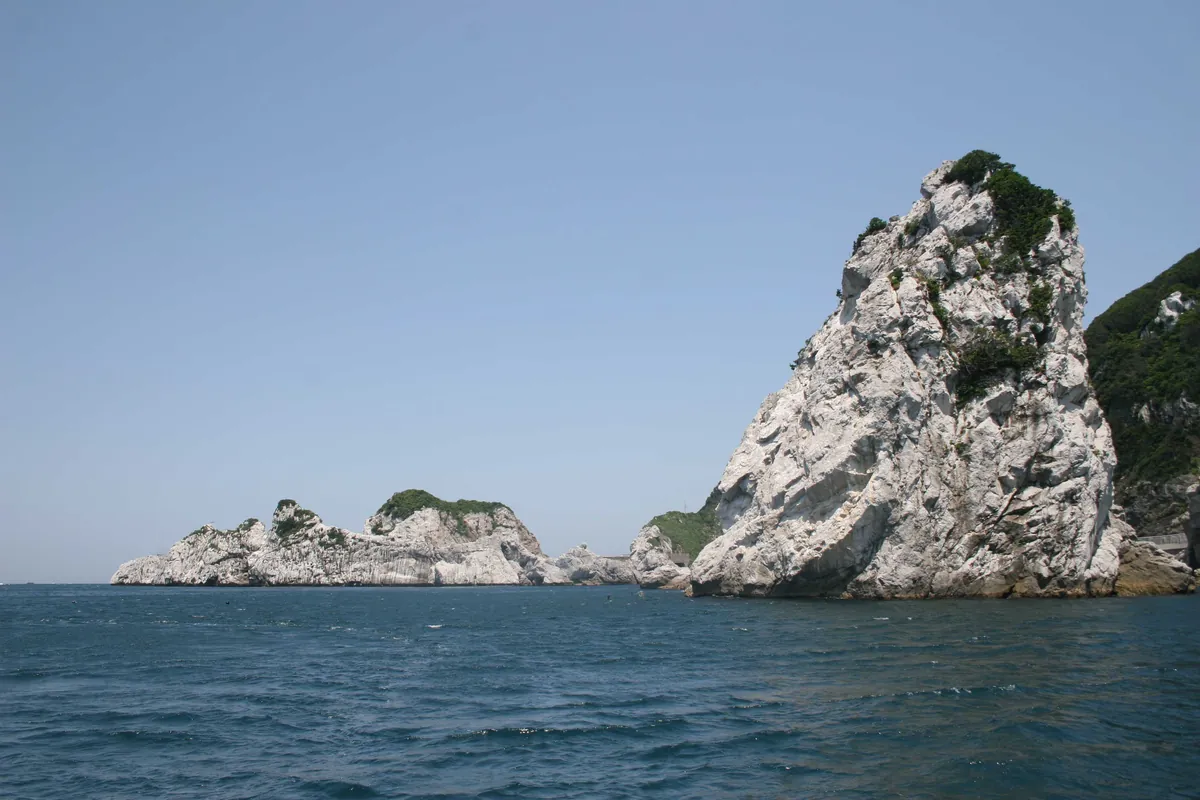
Yura sits about midway down the Wakayama coast, twenty to thirty minutes from the Hirogawa interchange, and it is the white rock that people come for. At Shirasaki Ocean…
Shirasaki Coast: Japan's Aegean, and the Cafés of Yura
Yura sits about midway down the Wakayama coast, twenty to thirty minutes from the Hirogawa interchange, and it is the white rock that people come for. At Shirasaki Ocean…
-
 Retro Gobo: A Photogenic Town Walk
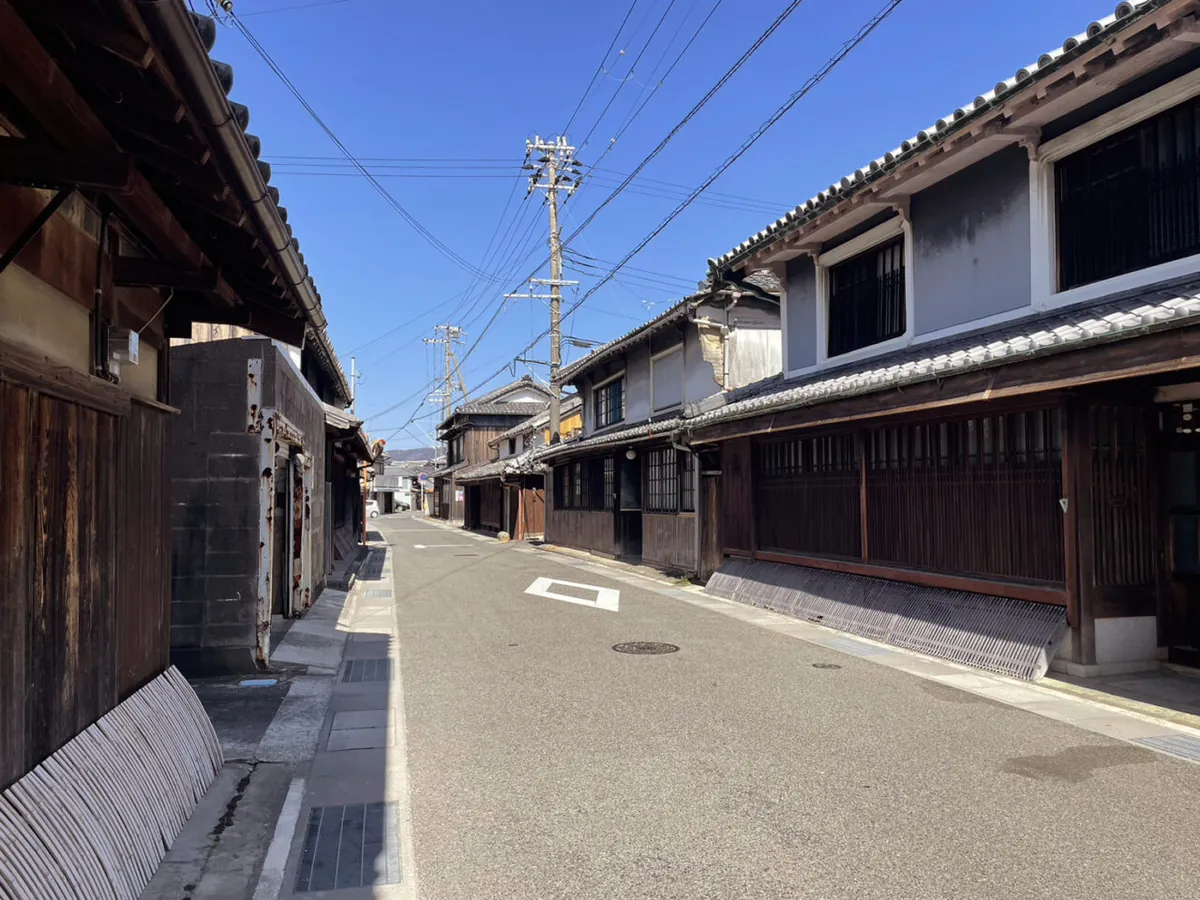
Gobo's old quarter is built for a slow, camera-in-hand morning. Around Jinaimachi, the wooden townscape of the Edo, Meiji and Showa eras still stands, and the back lanes…
Retro Gobo: A Photogenic Town Walk
Gobo's old quarter is built for a slow, camera-in-hand morning. Around Jinaimachi, the wooden townscape of the Edo, Meiji and Showa eras still stands, and the back lanes…
-
 Gobo: An Unexpectedly Deep Little City
Most travellers know Wakayama for its coast and its mountains, and drive straight past Gobo, a small city on the prefecture's mid-coast where the Hidaka River meets the…
Gobo: An Unexpectedly Deep Little City
Most travellers know Wakayama for its coast and its mountains, and drive straight past Gobo, a small city on the prefecture's mid-coast where the Hidaka River meets the…