Retro Gobo: A Photogenic Town Walk
Overview
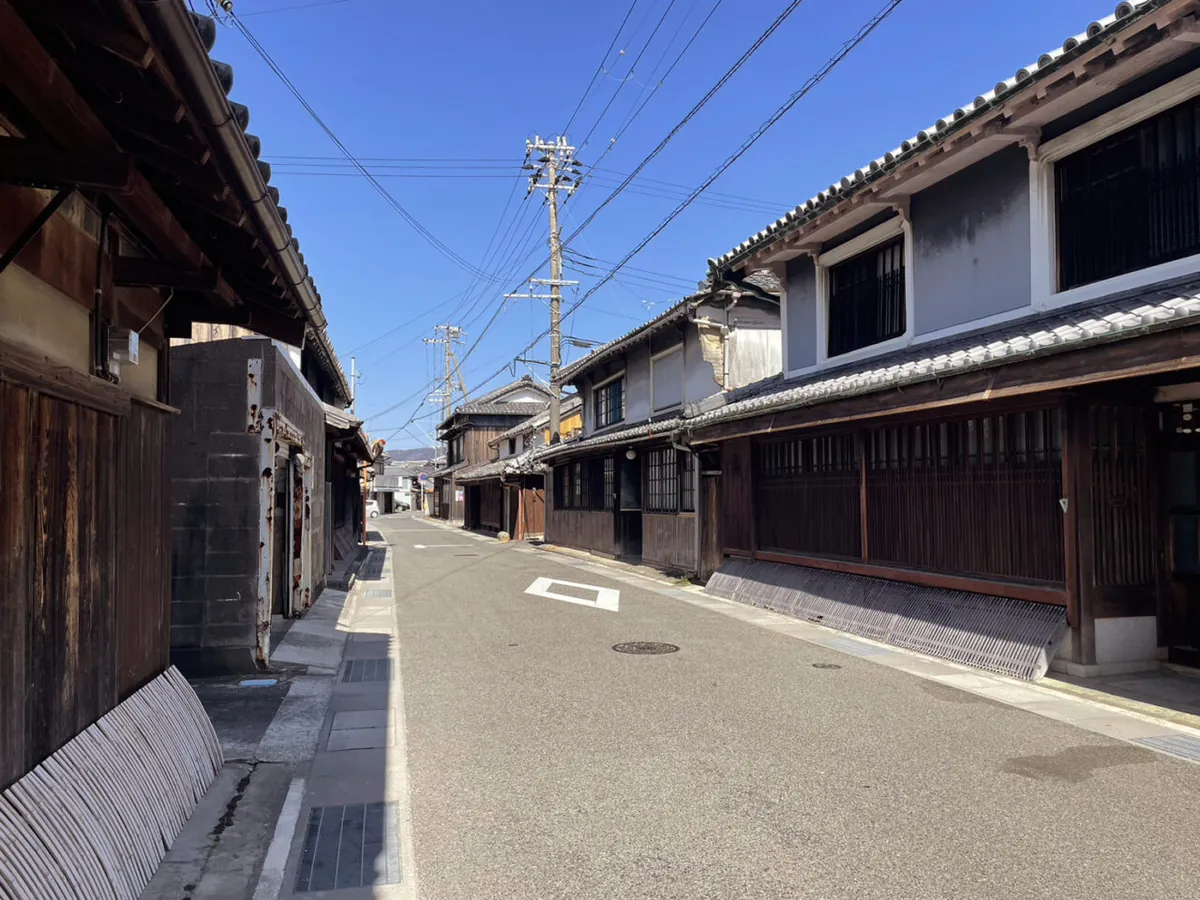
Gobo's old quarter is built for a slow, camera-in-hand morning. Around Jinaimachi, the wooden townscape of the Edo, Meiji and Showa eras still stands, and the back lanes reward anyone who wanders them with a genuine sense of stepping back in time, before rewarding you again with an old-fashioned cafe and a box of local sweets.
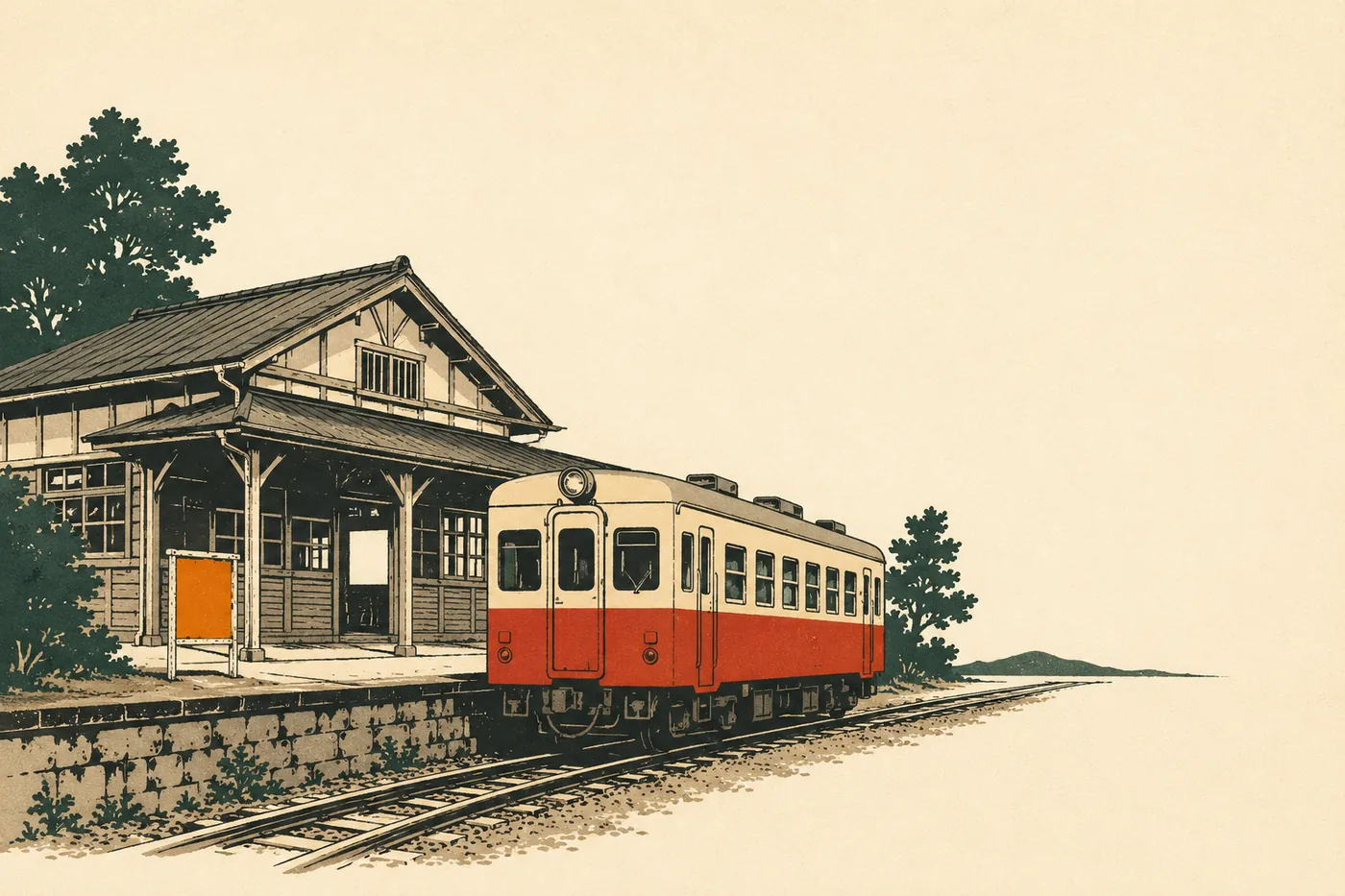
The obvious photograph is the Kishu Railway, Japan's shortest private line at 2.7 kilometres: a single-carriage train and the weathered little terminus of Nishi-Gobo, beyond which the rails simply run out. Nearby, the great torii of Shino-Hachiman Shrine anchors the Gobo Matsuri, the district's biggest festival, and a surviving brick wall is all that remains of the Hinode spinning mill, founded in 1913 by a nephew of the industrialist Shibusawa Eiichi. The streets of Higashi-machi, Yoko-machi and Naka-machi hold the Hidaka Betsuin, southern Wakayama's largest Jodo-Shinshu temple, and a scatter of Edo-to-Showa wooden houses.
Two cafes define the pause: M-N, run single-handedly since 1974, where a morning set of butter-soaked toast and coffee starts around 500 yen, and Sequoia, roasting its own beans since about 1975. For a souvenir, the Taisho-era confectioner Kogetsudo makes tsurigane-manju, little bells filled with sweet bean paste. Cafe hours and days off vary, so check before you set out.
What the article covers
- A nostalgic streetscape
- A morning set at an old-school kissaten
- A classic coffee house: Sequoia
- Local sweets to take home
 御坊市レトロ旅!フォトスポットがいっぱいの町を歩こう【和歌山県】
Read the full article
Rokaru Wakayama
御坊市レトロ旅!フォトスポットがいっぱいの町を歩こう【和歌山県】
Read the full article
Rokaru Wakayama
The original is in Japanese — modern browsers can translate it for you automatically.
More from this area
-
 Gobo: An Unexpectedly Deep Little City
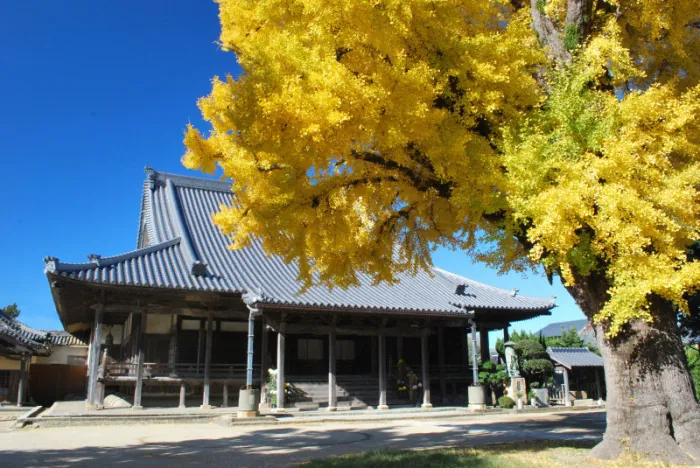
Most travellers know Wakayama for its coast and its mountains, and drive straight past Gobo, a small city on the prefecture's mid-coast where the Hidaka River meets the…
Gobo: An Unexpectedly Deep Little City
Most travellers know Wakayama for its coast and its mountains, and drive straight past Gobo, a small city on the prefecture's mid-coast where the Hidaka River meets the…
-
 Ramen Tanbo: Michelin Bib Gourmand Shio Ramen in Gobo
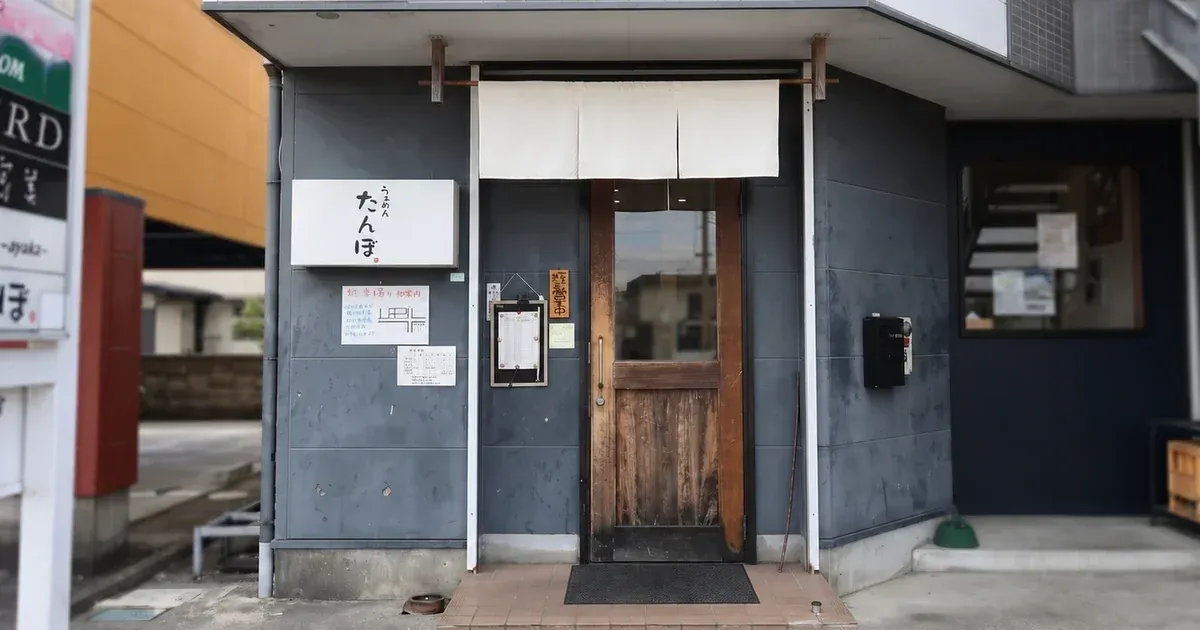
In a quiet residential corner of Gobo City, the small shop Ramen Tanbo has drawn the attention of Wakayama's food lovers as a Michelin Bib Gourmand pick in the guide's…
Ramen Tanbo: Michelin Bib Gourmand Shio Ramen in Gobo
In a quiet residential corner of Gobo City, the small shop Ramen Tanbo has drawn the attention of Wakayama's food lovers as a Michelin Bib Gourmand pick in the guide's…
-
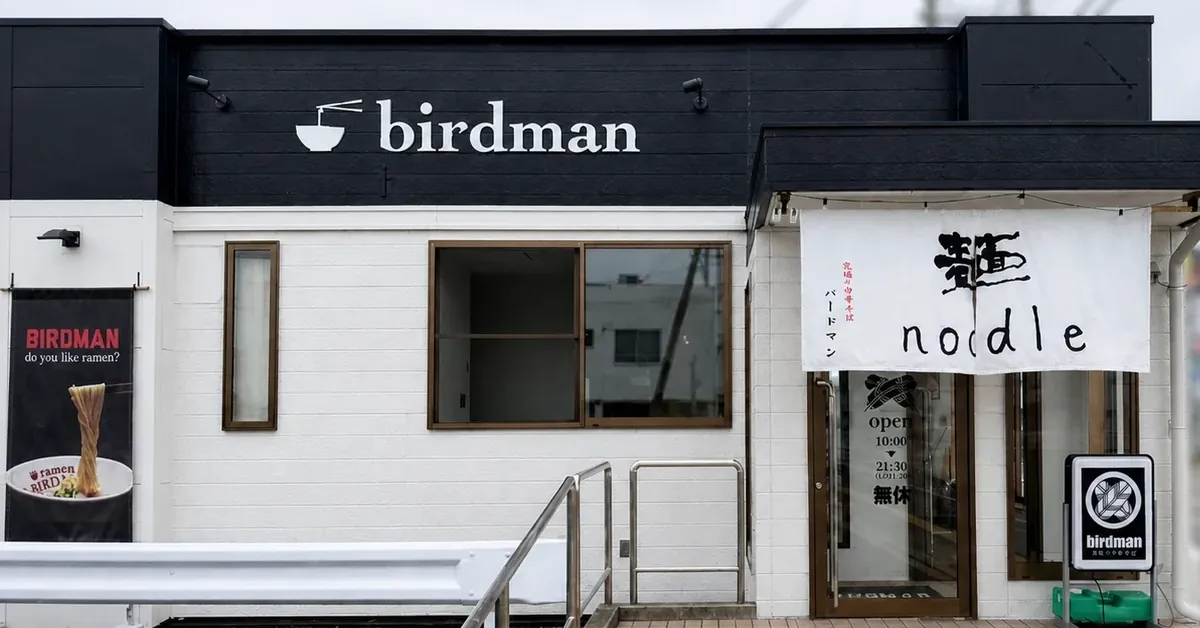 Ramen BIRDMAN: Michelin-Plate Chicken Paitan in Gobo
Ramen BIRDMAN, in Gobo City, is a rich chicken-paitan specialist recognised with a Michelin Plate in the guide's first Wakayama edition. Its signature 'Rich Chicken…
Ramen BIRDMAN: Michelin-Plate Chicken Paitan in Gobo
Ramen BIRDMAN, in Gobo City, is a rich chicken-paitan specialist recognised with a Michelin Plate in the guide's first Wakayama edition. Its signature 'Rich Chicken…