Wakayama Castle: The Third Keep and What to Look For Inside
Overview
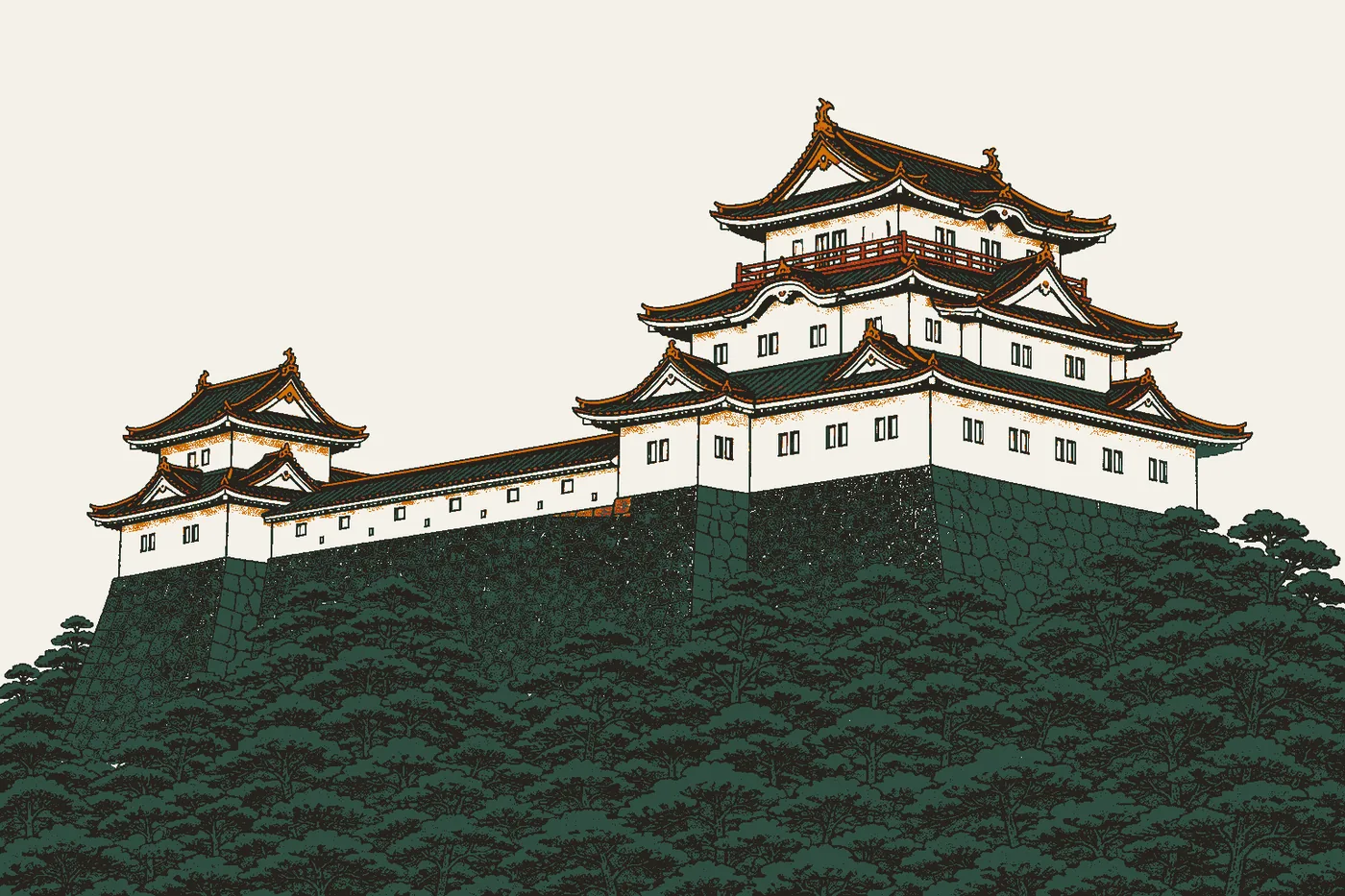
Wakayama Castle stands on Torafusu-yama, a wooded hill of only 48.9 metres in the middle of the prefectural capital, and counts among Japan's hundred fine castles. It began in 1585, when Toyotomi Hideyoshi, having subdued Kishu, ordered his younger brother Hidenaga to build here; Todo Takatora, later celebrated as a castle-builder, worked on the site. Asano Yoshinaga arrived after Sekigahara in 1600 and raised the first connected keep, and in 1619 Tokugawa Yorinobu came with a domain of 555,000 koku, making it the seat of the Kishu Tokugawa — the branch that gave Japan the shoguns Yoshimune and Iemochi.
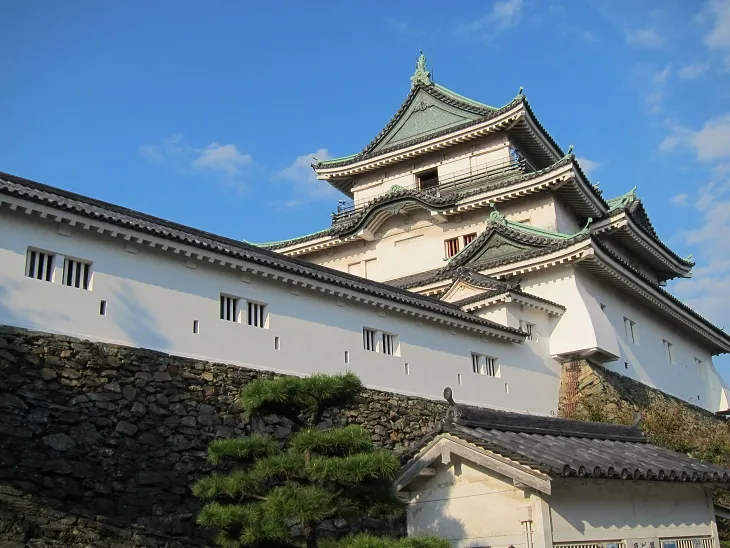
The tower you climb today is the third. Lightning burned its predecessor in 1846; the replacement went up in 1850, was made a National Treasure in 1935, and burned again in the air raid of July 1945. The concrete reconstruction of 1958 follows the pre-war silhouette, curved karahafu and chidori gables and all. The plan is renritsu-shiki: great keep, small keep and turrets linked by roofed corridors into a single ring around an inner courtyard, a form usually named alongside Himeji and Matsuyama. Inside, look for the full circle of views out to the Kinokawa and the Kii Channel, the peach tiles set on the small keep's porch roof as a charm against misfortune, and the stone-drop openings at the corners of the lowest storey.
The keep opens 9:00-17:30, last entry 17:00, and closes from 29 to 31 December; 410 yen for adults, 200 yen for school pupils. It is about ten minutes on foot from Nankai Wakayamashi Station, or a short bus ride from JR Wakayama. Three paths climb the hill, and the park around it also holds a free zoo, the Nishinomaru garden and the reconstructed Ohashi-roka covered bridge.
What the article covers
- Founded on Torafusu-yama at Hideyoshi's order, with Todo Takatora on the works
- From black boards to white plaster: a third keep that outlived lightning and war
- One of Japan's three great connected keeps, with Himeji and Matsuyama
- The sweeping view from the great keep
- A heart of white gravel beyond the second gate
- Hunting for the peach tiles
- The stone-drop openings on the keep
 【凄いぞ!和歌山城再発見①】豊臣秀吉から始まった和歌山城400年の物語
Read the full article
Rokaru Wakayama
【凄いぞ!和歌山城再発見①】豊臣秀吉から始まった和歌山城400年の物語
Read the full article
Rokaru Wakayama
The original is in Japanese — modern browsers can translate it for you automatically.
More from this area
-
 Junkissa Lierre: Waffles and Morning Sets in a Meiji Villa at Wakaura
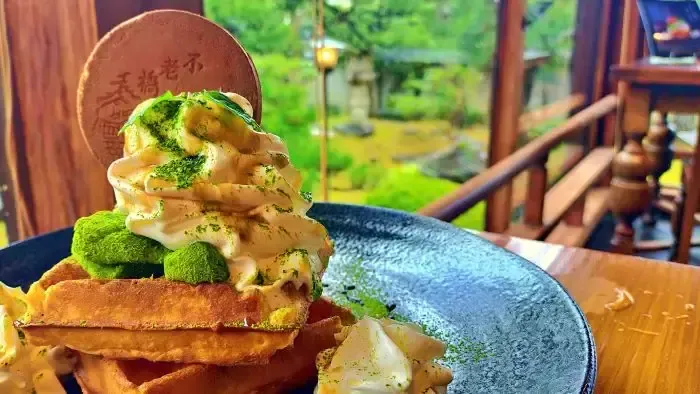
Junkissa Lierre occupies a Meiji-era villa at Wakaura, the stretch of coast on the southern edge of Wakayama City that poets have been writing about since the Nara…
Junkissa Lierre: Waffles and Morning Sets in a Meiji Villa at Wakaura
Junkissa Lierre occupies a Meiji-era villa at Wakaura, the stretch of coast on the southern edge of Wakayama City that poets have been writing about since the Nara…
-
 Michi-no-Eki Negoro Sakura no Sato (Roadside Station)
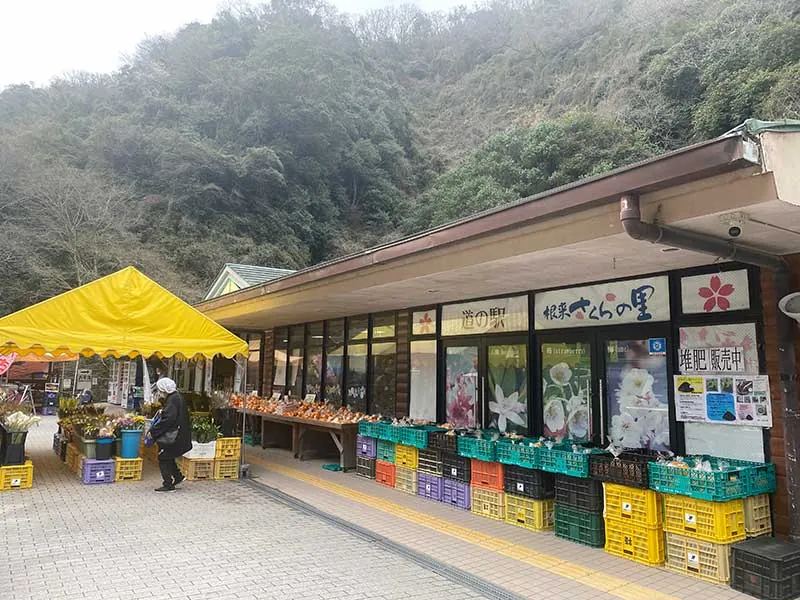
Michi-no-Eki Negoro Sakura no Sato is a farm stand and rest stop in Iwade, on the northern edge of Wakayama, five minutes by car from the Iwade-Negoro interchange. It…
Michi-no-Eki Negoro Sakura no Sato (Roadside Station)
Michi-no-Eki Negoro Sakura no Sato is a farm stand and rest stop in Iwade, on the northern edge of Wakayama, five minutes by car from the Iwade-Negoro interchange. It…
-
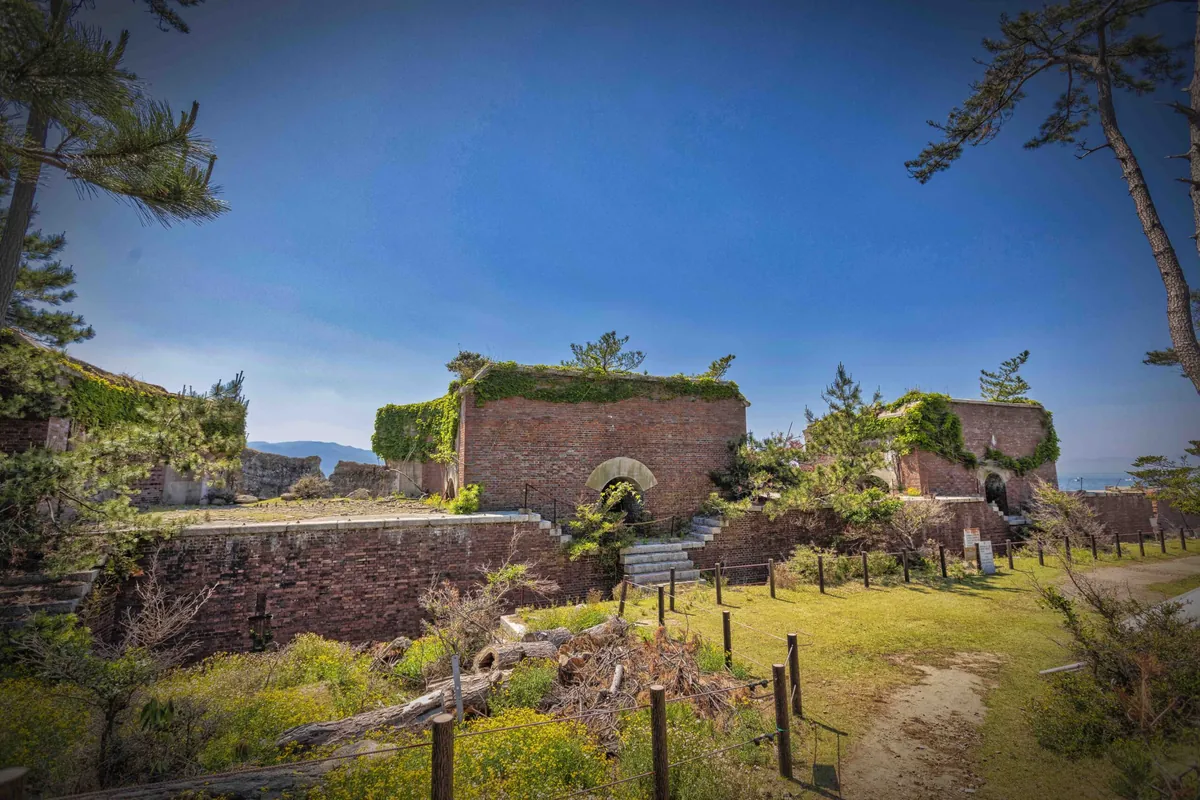 Tomogashima: Walking the Meiji Fort Ruins of an Uninhabited Island
Tomogashima is a cluster of uninhabited islets off Kada, at the western edge of Wakayama City. Under Meiji the army fortified them to guard the Kitan Strait and the sea…
Tomogashima: Walking the Meiji Fort Ruins of an Uninhabited Island
Tomogashima is a cluster of uninhabited islets off Kada, at the western edge of Wakayama City. Under Meiji the army fortified them to guard the Kitan Strait and the sea…